THE MICHIGAN TO SARASOTA RELOCATION GUIDE
Thinking about trading Michigan winters for Sarasota? Here’s what to know about neighborhoods, taxes, insurance, home buying and everyday life before making the move.
Moving from Michigan to Florida sounds simple enough: warmer weather, no snow and a completely different winter. But actually relocating to Sarasota involves decisions that aren't always obvious until you start looking seriously at homes.
I made the move from Metro Detroit to Sarasota myself, after spending most of my life and real estate career in Michigan. The housing, insurance, taxes, inspections and even the way you compare neighborhoods can be very different here.
This guide is designed to help Michigan buyers understand those differences before making the move — from choosing the right Sarasota-area community to buying and insuring a Florida home and getting settled once you arrive.
You don't need to have everything figured out before you start looking. The goal is to understand the tradeoffs, narrow down what fits and avoid some expensive surprises along the way.
Florida contracts, inspections, insurance and closing can work differently than buyers from other states expect. Understand the process before you start shopping.

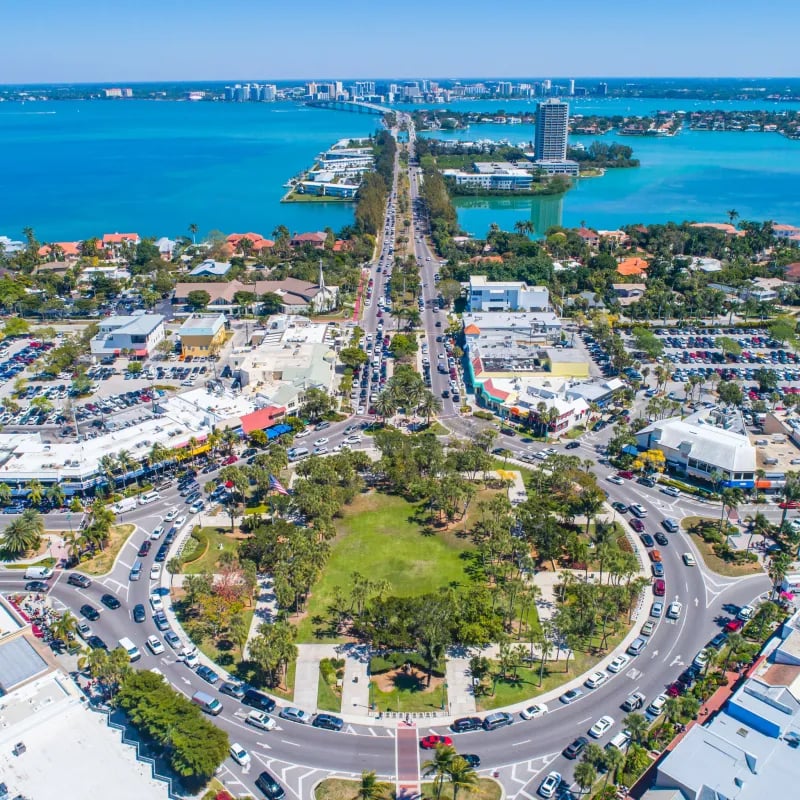
Sarasota neighborhoods can feel very different from Metro Detroit. Compare Siesta Key, Southgate, Downtown, Palmer Ranch, Lakewood Ranch and other areas based on lifestyle, location and budget.

Florida contracts, inspections and insurance can be very different from Michigan. Understand the As-Is contract, 4-point inspections, wind mitigation, WDO, roofs, HVAC and the closing process.
Florida has no individual state income tax, but property taxes, homeowners insurance, flood insurance and other ownership costs need to be considered when comparing the two states.
Insurance is a major part of buying a home in Florida. Learn how flood zones, wind mitigation, roof age, elevation and property condition can affect coverage and ownership costs.

Driver's licenses, vehicle registration, homestead exemption, utilities, beach access and everyday logistics. Here's what Michigan residents should know when making Sarasota home.
Florida’s tax structure is different from Michigan’s, but no state individual income tax doesn’t automatically mean everything costs less. Here are some of the expenses to compare before making the move.
Michigan has an individual state income tax. Florida does not impose an individual state income tax. For people relocating from Michigan, that can change the overall tax picture, especially for higher-income households and some retirees. Your individual situation should always be reviewed with a tax professional.
Official Resource: Florida Department of Revenue→ https://floridarevenue.com/Pages/default.aspx
Florida property taxes vary by county, municipality and taxing district. A primary Florida residence may qualify for the Homestead Exemption and Save Our Homes assessment limitation. Don’t assume the seller’s current property-tax bill will be your future bill—a change in ownership can result in the property being reassessed.
Property Appraiser →
https://www.sarasotapropertyappraiser.gov/exemptions/homestead/overview/
Homeowners insurance deserves attention before you fall in love with a Florida house. The age and condition of the roof, electrical system, plumbing and HVAC can affect insurability, available carriers and the cost of coverage.
Florida buyers will frequently hear about 4-point inspections and wind-mitigation inspections. These reports can provide important information for insurance underwriting and may affect available coverage or premiums.
Insurance costs can vary substantially from one property to another, even within the same neighborhood. I recommend getting an insurance professional involved during the inspection/due-diligence period rather than waiting until just before closing.
Feel free to contact me for additional insurance resources.
A flood zone and a hurricane evacuation zone are not the same thing, and understanding both is important when buying along Florida's Gulf Coast.
Standard homeowners insurance generally does not cover damage caused by flooding, so flood coverage is typically handled separately. Depending on the property's flood risk and financing, a lender may require flood insurance; coverage can also be worth considering outside high-risk flood areas.
Before buying, review the property's flood-zone designation, elevation information when available, insurance options and the property's individual characteristics. Don't assume that being a few blocks farther inland automatically tells you the whole story.
Official Resource: FEMA Flood Maps → https://www.fema.gov/
After establishing Florida residency, you’ll need to handle items such as a Florida driver license, vehicle title and registration. Costs and requirements differ from Michigan, so plan for these as part of the move rather than treating them as an afterthought.
There’s more to the comparison than taxes. Housing, insurance, utilities, transportation and HOA or condominium fees can vary considerably depending on where and how you live. Sarasota also offers a wide range of lifestyles—from maintenance-free condos to waterfront homes and newer master-planned communities.
FROM METRO DETROIT TO THE GULF COAST
One of the hardest parts of moving from Michigan is figuring out which Sarasota-area communities actually fit the way you want to live. There isn’t one “best” neighborhood—the right answer depends on whether you want beaches, walkability, boating, larger lots, newer construction, golf or easy access to downtown.
Coming from Metro Detroit, some comparisons can help provide a starting point. If you like Birmingham or Royal Oak for walkability, restaurants and activity, Downtown Sarasota and Southside Village may be worth exploring. If waterfront living is the goal, Siesta Key, Lido Key, Bird Key and other coastal communities offer very different options.
Prefer newer homes, planned communities and amenities? Lakewood Ranch and Palmer Ranch belong on the list. If you like established neighborhoods, mature trees and mid-century homes, Southgate and other areas closer to central Sarasota may feel more familiar.
These aren’t one-to-one comparisons—the Sarasota lifestyle and housing stock are very different from Metro Detroit—but they’re useful starting points for narrowing the search.
WHAT MICHIGAN BUYERS SHOULD EXPECT
Buying a home in Florida can feel familiar at first, but there are some important differences from Michigan. Florida's commonly used AS-IS contract, inspection periods, 4-point inspections, wind mitigation, WDO inspections, flood considerations and homeowners insurance can all affect how you evaluate a property.
The age and condition of the roof, HVAC, electrical and plumbing systems can also affect insurability—not just what you may need to repair after closing. That's why I like to look at the home, inspection and insurance picture together rather than treating them as separate issues.
I've put together a Florida home buying guide that walks through the process and the issues worth understanding before you make an offer.
I made the move too
I spent most of my life in Metro Detroit and began working in real estate there more than 30 years ago. After decades of helping people buy and sell homes in Michigan, I made the move to Sarasota myself.
That gives me a different perspective when I'm working with Michigan buyers. I understand the market you're coming from, but I also know how different buying and owning a home in Florida can be—from insurance and inspections to flood zones, property taxes and choosing the right Sarasota-area community.
I'm not here to convince you that Sarasota is right for you. If you're considering the move, I'm happy to help you compare areas, understand the Florida buying process, tour properties in person or by video and figure out whether Sarasota makes sense for what you want next.
If you're considering a move to Sarasota, let's talk. I'm happy to answer questions, compare neighborhoods or help you start narrowing down where you might fit.