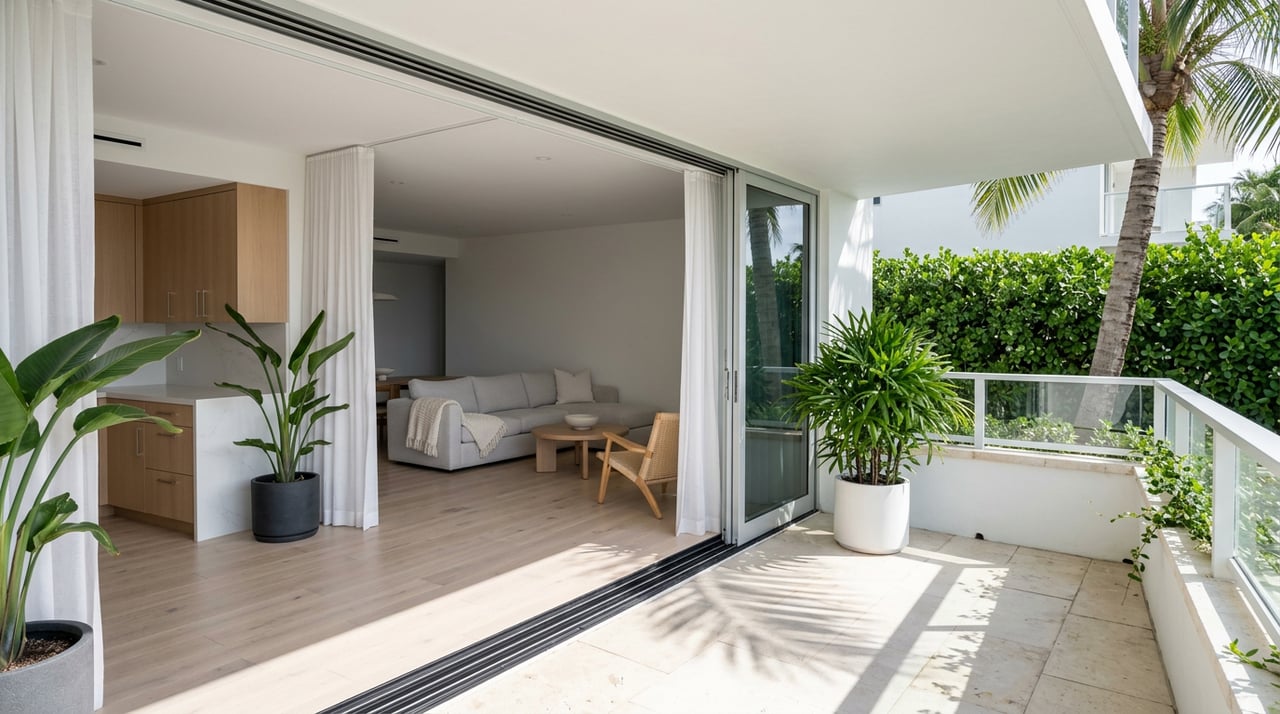
Longboat Key Condo Rental Rules, Seasons & Income Tips
March 5, 2026
March 5, 2026
Thinking about renting out a Longboat Key condo but unsure how the rules and seasons affect your bottom line? You are not alone. Between town requirements, association restrictions, and the winter visitor surge, it can feel complicated fast. In this guide, you will learn the key rental rules on Longboat Key, how seasonality drives demand, and what to check before you buy. Let’s dive in.
For most residentially zoned properties, the Town of Longboat Key requires each rental period to be at least 30 consecutive calendar days. The town actively enforces this rule and treats each day of a violation as a separate offense. If you plan to rent for less than six months, the town also requires participation in its Residential Rental Registry, which includes a safety inspection and posting your rental certificate in ads and in the unit. You can review the town’s short-term rental summary and enforcement details on the Town of Longboat Key website.
The Residential Rental Registry took effect on October 1, 2023. It outlines life-safety, advertising, and emergency contact posting requirements for rentals under six months. If your condo falls under these rules, factor in the time and cost to register and schedule the safety inspection before you advertise. You can see the program steps on the town’s Residential Rental Registry page.
Some parcels on Longboat Key are in tourism-oriented zoning or are legally grandfathered for shorter stays. That is why you should confirm the property’s specific zoning and whether any exceptions apply before you plan a weekly or nightly strategy. The town’s short-term rental page explains the differences between residential and tourism zones.
To rent your Longboat Key condo legally, you must clear three layers of rules. Think of them as state, town/county, and association.
State of Florida. Chapter 509 of the Florida Statutes preempts many local limits on vacation rentals but preserves older local ordinances. It also defines “transient” lodging and when a DBPR vacation rental license applies. Review the state’s preemption and definitions in Florida Statute 509.032.
Town and county. Longboat Key sets the 30-day minimum for residential zones and requires the Residential Rental Registry for rentals under six months. Counties collect tourist development tax on stays of six months or less. On the Manatee side, the current TDT rate is 6 percent. See Manatee County’s Tourist Tax guidance for rates and filing.
Association rules. Your condo association can impose stricter terms than the town. Common add-ons include 60-to-90-day minimums, a cap on leases per year, waiting periods after purchase, and tenant application steps. Always obtain and read the recorded declaration, bylaws, and lease rules before you make an offer.
Association rental policies vary building by building. Here are patterns you should expect to verify in the condo documents:
Longboat Key is a classic winter-spring market. Visitor demand typically builds from November through April, with the busiest stretch in January through March. That is when occupancy and rates tend to peak.
Market-level data providers report mid-60 percent occupancy with average daily rates in the low-to-mid $300s in Longboat Key. Winter months push both occupancy and rates higher than the annual average. You can review a current market snapshot for occupancy, ADR, and seasonality on AirDNA’s Longboat Key overview.
Minimum-stay rules shape your revenue strategy. If your building or zoning requires 30-day leases, you trade nightly rate spikes for month-long bookings. During peak months, a well-priced 30-day lease can still perform strongly. Your pro forma should compare two cases: a monthly model that follows your association’s rules and an unconstrained nightly model. That will show how minimums and lease caps change your gross income potential.
If your condo is on the Manatee County side of Longboat Key, you must register and collect tourist development tax on stays of six months or less. Manatee’s TDT rate is 6 percent, in addition to state and local sales tax. According to the county, some booking platforms may not collect and remit Manatee’s TDT for you, so confirm your exact collection responsibilities on the Manatee County Tourist Tax page.
If your condo is on the Sarasota County side of the island, registration and remittance requirements apply there instead. Sarasota’s tax collector outlines account setup and filing steps for tourist tax on its website. Always verify which county your parcel is in and how taxes are handled on your specific platform.
At the state level, a unit offered for short stays on a recurring basis can meet Florida’s definition of a “transient public lodging establishment.” In that case, a DBPR vacation rental license may be required. The Division of Hotels & Restaurants provides forms and guidance for licensing.
Use this quick list before you write an offer on a rental-minded Longboat Key condo:
Neighboring islands run different systems. Anna Maria Island’s three cities use detailed registration and inspection frameworks and allow variable minimums by zone, which is more complex than Longboat Key’s simple 30-day residential rule. Sarasota County islands like Siesta or Lido follow Sarasota’s tourist tax setup, which may differ from Manatee’s remittance approach. If you are comparing islands, make sure you match the rules, taxes, and platform collection policies to each location.
Longboat Key can be a great fit if you value a calm, upscale island feel and predictable rules. The town’s 30-day minimum for residential zones keeps the rental landscape more monthly than nightly, and winter seasonality supports strong demand when you price and plan well. Your best move is to align your condo choice with clear leasing rules, realistic revenue estimates, and clean compliance.
If you want a local partner to help you vet zoning, association packets, and income potential before you buy, reach out to Evan Weber. Let’s connect and map a plan that fits your goals.
Evan is utilizing his skills, knowledge and expertise in residential real estate to help others find their dream home on the Suncoast. Get assistance in determining current property value, crafting a competitive offer, writing and negotiating a contract, and much more. Contact him today.