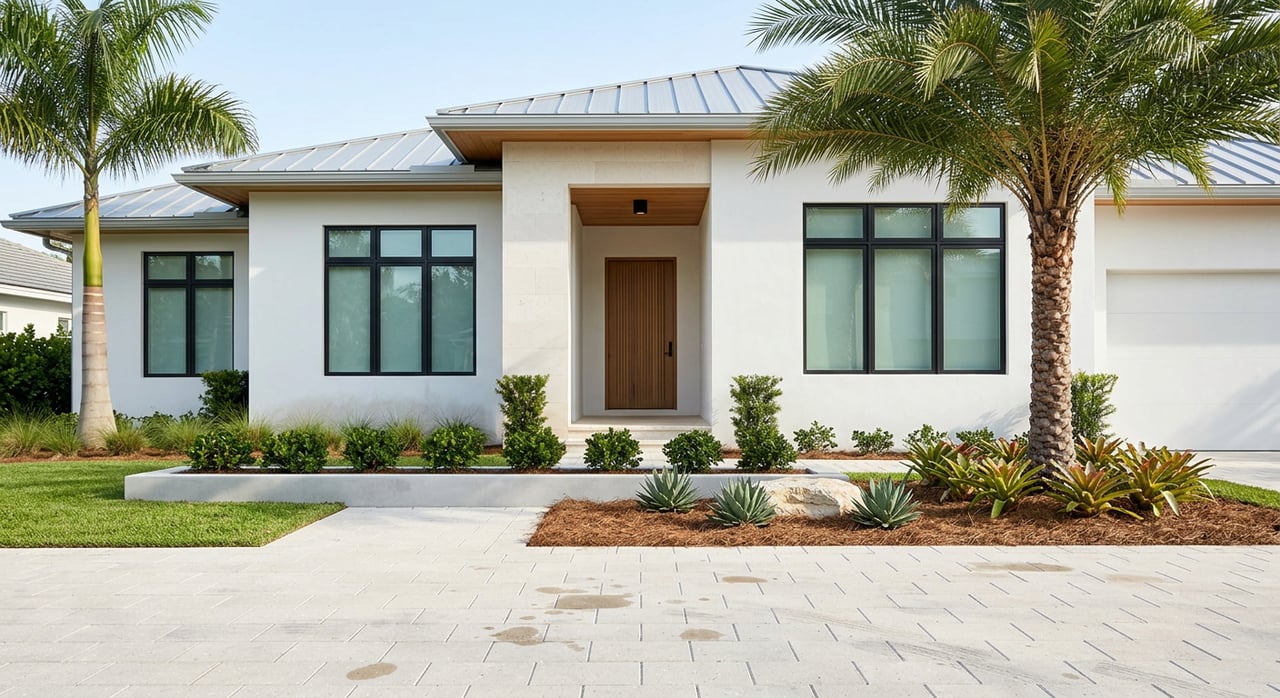
Should You Choose Lakewood Ranch New or Resale Homes?
March 24, 2026
March 24, 2026
Thinking about Lakewood Ranch and trying to pick between a brand‑new build or a resale home? You are not alone. This is a large master‑planned community, and the right answer depends on the village, your timeline, and your budget. In this guide, you will compare real costs, timelines, and negotiating paths so you can move forward with confidence. Let’s dive in.
Lakewood Ranch spans parts of Manatee County and is organized into many villages, each with its own builders, amenities, HOA structure, and price bands. The community’s own resources make this clear and help you sort options by village and product type. You can explore builders and starting ranges in the official Lakewood Ranch village matrix.
As of February 2026, third‑party market snapshots show a median sale price around the $600,000 mark. That is a broad average. Entry townhomes, golf communities, active adult, and luxury waterfront enclaves all live inside Lakewood Ranch, so you will want to pick a village first, then compare new vs resale inside that village.
| Factor | New construction in LWR | Resale in LWR |
|---|---|---|
| Price bands | Starts in the $300s and reaches the multi‑millions, village specific per the village matrix | Mirrors village and product; often priced against recent comps |
| HOA dues | Commonly under $200 to over $400 per month, village dependent | Same ranges, verify the HOA package for each listing |
| CDD annual | Often $1,000 to $6,000+ per year by district and phase | Same ranges; check the parcel’s current tax bill |
| Time to close | Spec homes often 30–90 days; made‑to‑order about 6–12 months; custom can be longer | Often 30–60 days depending on financing and occupancy |
| What you get | New systems, current code, energy efficiency, builder warranty and design choices | Established landscaping, known utility/insurance costs, mature streetscapes |
| Negotiation levers | Incentives like closing cost credits, rate buydowns, or upgrades; base price may be firm | Price, repair credits after inspections, seller‑paid costs, flexible closing dates |
Price is hyper‑local. The village matrix shows examples such as:
New homes can carry a premium for modern systems, options, and warranties. That premium varies by village and whether you choose a made‑to‑order build or a move‑in‑ready spec. Spec homes can cut both time and cost uncertainty, but you still want to confirm lot premiums and included features.
Build timing. A made‑to‑order home commonly takes about 6 to 12 months from contract to keys, while inventory/spec homes can close in 30 to 90 days depending on stage. Custom or complex builds can run longer. See this practical overview of new‑build milestones and inspections from an industry guide at Jagoe Homes.
Financing. Inventory/spec homes are often financed like a resale once complete. For a made‑to‑order build, many buyers use construction‑to‑permanent or construction‑only loans. These loans fund in draws and have interest‑only payments during construction. The CFPB explains how construction loans and disclosures work in plain language in its consumer guide.
Appraisals and value. Lenders usually appraise new construction “as completed,” which can be sensitive to options and lot premiums. If you are selling a home while you build, line up contingency plans like short‑term housing.
Inspections. Budget for third‑party inspections at pre‑drywall and pre‑close to catch issues before finishes go in. An independent adviser and inspectors add a layer of protection beyond the builder’s team. For local spec options and timelines, browse a builder’s inventory pages such as Neal Communities in Lakewood Ranch.
HOA vs CDD. In Lakewood Ranch, the HOA is a private association that runs covenants and certain amenities. CDDs, created under Florida law, fund infrastructure and community amenities. CDD assessments appear as non‑ad‑valorem lines on your property tax bill. You can read the statute framework in Florida Chapter 190.
Typical ranges. The village matrix shows HOA bands by village, and recent Lakewood Ranch CDD schedules show examples that range from the mid‑$1,000s to $4,000–$6,000+ per year for some product types with debt service. You can view published assessment schedules in the public notices for FY2025/2026 here.
Verify the exact numbers. Always pull the parcel on the Manatee County Property Appraiser site and review the current tax bill for the CDD line. HOA inclusions also vary by village. Some include lawn care, cable, or certain amenities, while others do not.
Insurance and flood. Parts of Lakewood Ranch sit near lakes and waterways. If a property is in a FEMA Special Flood Hazard Area, lenders will require flood insurance. Ask your insurance agent for quotes early because premiums impact your monthly cost.
Below are simple, illustrative monthly totals to show how HOA and CDD change the picture. Your actual mortgage payment will come from your lender pre‑approval.
New spec home example (Lakewood Ranch village with mid‑range dues)
Resale example (different Lakewood Ranch village with higher HOA but lower CDD)
Two similar homes in different villages can vary by thousands per year once you add HOA and CDD. That is why verifying the parcel’s current tax bill and HOA package is essential.
Example A: Move‑in fast with a spec home. In a Neal Communities village like Windward, a quick‑move‑in single‑family home can often close in 30 to 60 days once complete and may come with time‑limited incentives, such as closing cost credits or a rate buydown tied to using the preferred lender. Confirm incentives in writing and note what is included versus upgrades. Explore current inventory and timelines on the Neal Communities Lakewood Ranch page.
Example B: Resale in a golf or amenity village. A resale in Esplanade or Lakewood Ranch Golf and Country Club can deliver immediate occupancy and known monthly costs. You can negotiate on price, repairs, and closing costs based on inspections and comparable sales. HOA and CDD vary by phase, so request the HOA disclosure and review the current CDD on the tax bill before you write.
With builders. Builders often hold firm on base price but use incentives to move inventory or hit targets. Year‑end periods in Florida have recently leaned toward more buyer‑friendly incentives on spec homes. See Florida Realtors’ summary of this trend here. Ask for a clear list of what is included, upgrade pricing, incentive fine print, warranty documents, selection deadlines, and deposit refund terms if timelines slip. For a smart checklist of what to ask, review this guide on what to request from a builder.
With private sellers. Your levers include price, inspection credits, seller‑paid closing costs, appraisal and financing contingencies, and closing date flexibility. Use village‑level comps and days on market to set the tone and keep your offer aligned with current conditions.
Most builders provide new‑home warranties that follow a common 1‑2‑10 pattern: one year for workmanship and materials, two years for systems, and ten years for structural coverage. Read the actual document and note claim procedures and exclusions. You can learn more about typical structures from 2‑10 Home Buyers Warranty.
Quality checks that pay off:
Ready to compare villages and narrow your shortlist? Let’s walk it together. Reach out to Evan Weber to map the right village, verify true monthly costs, and structure a confident offer.

Evan is utilizing his skills, knowledge and expertise in residential real estate to help others find their dream home on the Suncoast. Get assistance in determining current property value, crafting a competitive offer, writing and negotiating a contract, and much more. Contact him today.