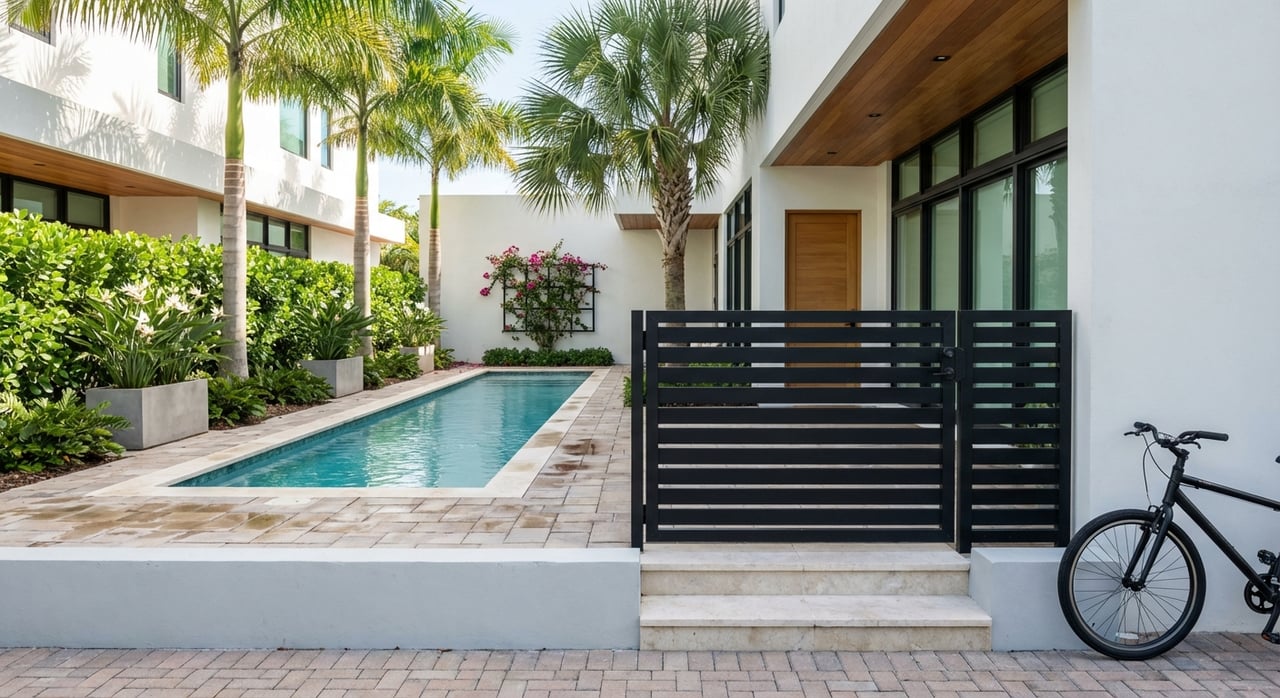
Downtown Sarasota or Siesta Key: Find Your Ideal Lifestyle
February 19, 2026
February 19, 2026
Torn between downtown energy and island calm? You are not alone. Many Sarasota buyers weigh a walk-to-dinner lifestyle against waking up steps from the sand. This guide breaks down the real, everyday tradeoffs so you can pick the place that fits your rhythm, budget and priorities. Let’s dive in.
If walking to coffee, groceries and shows is high on your list, the downtown core delivers. Pockets around Main Street and the Rosemary District score in the high 80s on Walk Score, which signals very strong pedestrian access to daily essentials and nightlife. You can preview typical block-by-block walk scores using the Downtown Sarasota map on Walk Score.
Island living trades some walkability for beach access. Siesta Key rates as “Somewhat Walkable” overall, with the Village being the most pedestrian friendly. Lido Key is generally car dependent outside of St. Armands Circle’s compact retail and dining loop. A sample Lido-area score map on Walk Score shows how quickly scores drop away from the Circle.
To reduce beach-day driving, use free or low-cost trolley routes. The Sarasota County Breeze system operates the Route 77 Siesta Islander and the BayRunner, which connects downtown, St. Armands Circle and Lido Beach. Schedules and stops are listed on the county’s Breeze Transit specialty routes page.
Downtown concentrates Sarasota’s cultural anchors and everyday amenities. You are minutes from The Ringling’s museum campus and Ca’ d’Zan, year-round performances at the Van Wezel Performing Arts Hall, and the living collections at Marie Selby Botanical Gardens. The density of cafés, galleries, boutiques and markets supports a car-light lifestyle many buyers seek.
On the Keys, dining and shopping cluster in Siesta Key Village and St. Armands Circle. The mix is lively, but day-to-day variety and full-service groceries are more limited than downtown. For an overview of local hot spots and trip-defining locales across the city and islands, Visit Sarasota’s guide to the area’s signature experiences is a helpful primer (Experience the spirit of Sarasota).
Siesta Key is Sarasota’s headline beach for a reason. The wide, powdery quartz sand and upgraded public amenities make it a top regional draw, with recurring events like the drum circle and the Crystal Classic sand-sculpting festival. Get an at-a-glance feel for the scene with Visit Sarasota’s overview of Siesta Key’s sand and season.
Lido Key offers a slightly quieter beach experience at peak times and quick access to South Lido’s mangroves and paddling waters. St. Armands adds an easy, walkable dining loop after a beach day. Bird Key is not a destination beach; its appeal is boating, sunset views and a low-key residential shoreline, all just a short drive to downtown or Lido.
Your budget and preferred home type often decide the fit:
Downtown Sarasota: Primarily mid- and high-rise condos, plus some townhomes and infill single-family. Think low-maintenance living with HOA or condo fees. Examples include newer bayfront towers like Bayso at 301 Quay Commons. Citywide, Sarasota’s median sale price was about $525,000 in Jan 2026, according to Redfin. Downtown’s averages run higher, with Redfin’s Downtown neighborhood around $1.14 million in recent reporting. Always confirm live comps by building and view.
Siesta Key: A mix of beachfront and mid-rise condos plus single-family beach houses and bayfront properties. Zillow’s Home Value Index placed the typical home value near $808,600 as of Dec 2025. Price points vary widely by location, view and rental flexibility.
Lido Key and St. Armands: Beach-adjacent condos, boutique townhomes and higher-end single-family lots near the Circle. Proximity to both beach and downtown tends to carry a premium.
Bird Key: Almost entirely single-family waterfront or canal homes with private docks. Median and listing prices often start in the multi-million range, with small inventory and high per-square-foot values.
Market trend to note: The Realtor Association of Sarasota and Manatee’s 2025 year-end report shows condo and townhome segments softened with higher inventory and longer days on market, while single-family homes were more resilient. If you are condo-focused downtown or on the islands, that shift can mean more negotiating room in 2025–2026. Review the latest data in RASM’s year-end report and pair it with building-level comps.
Sarasota’s mean travel time to work sits around 21.3 minutes citywide, per the U.S. Census Bureau’s QuickFacts. If you live downtown, many trips shrink to a short walk or a few minutes by car. See the city snapshot here: Census QuickFacts for Sarasota.
From the Keys, typical non-peak drives to downtown are short but can stretch in winter and during special events. As a general guide, plan on about 5 to 15 minutes from Bird Key or Lido and 8 to 15 minutes from Siesta Key Village, depending on route and traffic. The BayRunner and Siesta trolley can help you skip parking on busy days.
Flood zones and insurance should be part of your decision. Sarasota County’s updated FEMA flood maps became effective in 2024. Barrier islands and low-lying bayfront areas are more likely to fall in higher FEMA zones, which can trigger mandatory flood insurance, affect premiums, and influence construction or elevation requirements. Start with the City’s flood resources page to learn about zones, mitigation, and credits: City of Sarasota flood information. Sarasota participates in FEMA’s Community Rating System at Class 5, which provides premium discounts for local NFIP policyholders. The County also provides updates and outreach on flood mapping and preparedness; see the latest notices on the Sarasota County site.
With Risk Rating 2.0, flood-insurance pricing is more property specific, reflecting elevation, foundation and mitigation. Build time into your offer period to obtain elevation certificates and quotes. Note that NFIP policies typically carry a 30-day waiting period. If you are comparing island homes, budget for ongoing insurance, HOA and maintenance costs on top of taxes and your mortgage.
Seasonality matters too. Visitor numbers swell from roughly December through April, which can mean busier bridges and earlier fill times for beach parking. Local reporting confirms winter peaks and event-driven surges across the coast. For context on year-to-year seasonal volume, see the Observer’s look at seasonal visitor patterns.
Use this quick checklist to clarify your direction:
If you are still on the fence, tour both lifestyles back-to-back. Have a coffee on Main Street one morning, then catch the BayRunner to Lido for an afternoon beach walk. Spend a sunset at Siesta, then compare that feeling to a downtown evening show. Your choice will usually become clear.
Ready to map your options by budget, building and block? Reach out to Evan for hyperlocal guidance, live comps, and a side-by-side plan that fits your goals. Let’s make your Sarasota move smooth and confident with a seasoned advisor by your side.
Want help deciding where to start? Connect with Evan Weber for a calm, step-by-step path to your best Sarasota fit.
Evan is utilizing his skills, knowledge and expertise in residential real estate to help others find their dream home on the Suncoast. Get assistance in determining current property value, crafting a competitive offer, writing and negotiating a contract, and much more. Contact him today.