Understanding Direct Gulf Front Meaning in Nokomis
January 1, 2026
January 1, 2026
Scanning Nokomis listings and seeing “direct Gulf front,” “Gulf view,” and “Gulf access” used like they mean the same thing? You are not alone. These phrases can signal very different placements, rules, and costs that affect your lifestyle and budget. In this guide, you will learn what each term typically means in Nokomis, how to verify a claim before you write an offer, and the tradeoffs to weigh so you can buy with confidence. Let’s dive in.
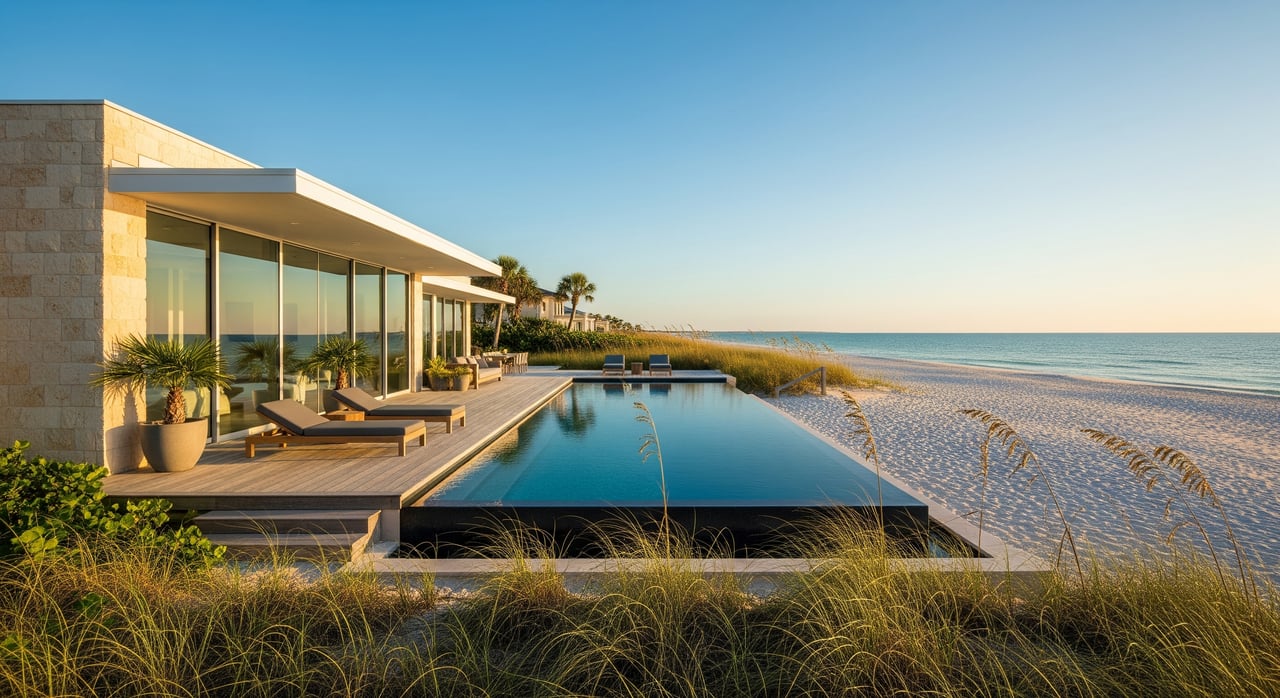
In Nokomis, “direct Gulf front” (often shortened to “Gulf front”) usually means the parcel or building physically fronts the Gulf of Mexico shoreline. For a single‑family home, that typically means the property sits on the Gulf side of the coastal road with no private parcel between the home and the beach or dune. For a condominium, it often means the building itself is on the beach, parallel to the shoreline. The defining idea is immediate beachfront placement with no private property in front of you.
Listing language is not uniform across all MLS systems, so “direct” is descriptive, not a legal designation. Some properties may have a narrow public right‑of‑way or county beach access between the structure and the mean high water line and still be marketed as Gulf front. That is why you need documents to confirm parcel lines and public access. Treat “direct” as a claim to verify, not a guarantee.
A condo building can be Gulf front even if a specific unit does not have an unobstructed Gulf view. Lower floors, interior stacks, or units facing away from the shoreline may have limited or no direct water view. Always confirm the unit’s orientation, floor, and sightlines in person. Ask whether “Gulf front” refers to the building footprint or your private view and access.
Not every waterfront phrase implies beachfront. In Nokomis, these alternatives are common and can still fit your goals.
“Gulf view” means you can see the Gulf from parts of the property, but the parcel does not necessarily touch the beach. Views may be partial, seasonal, or filtered by dunes, vegetation, elevation, or nearby buildings. Properties across the coastal road often carry “Gulf view” or “partial Gulf view” when sightlines allow.
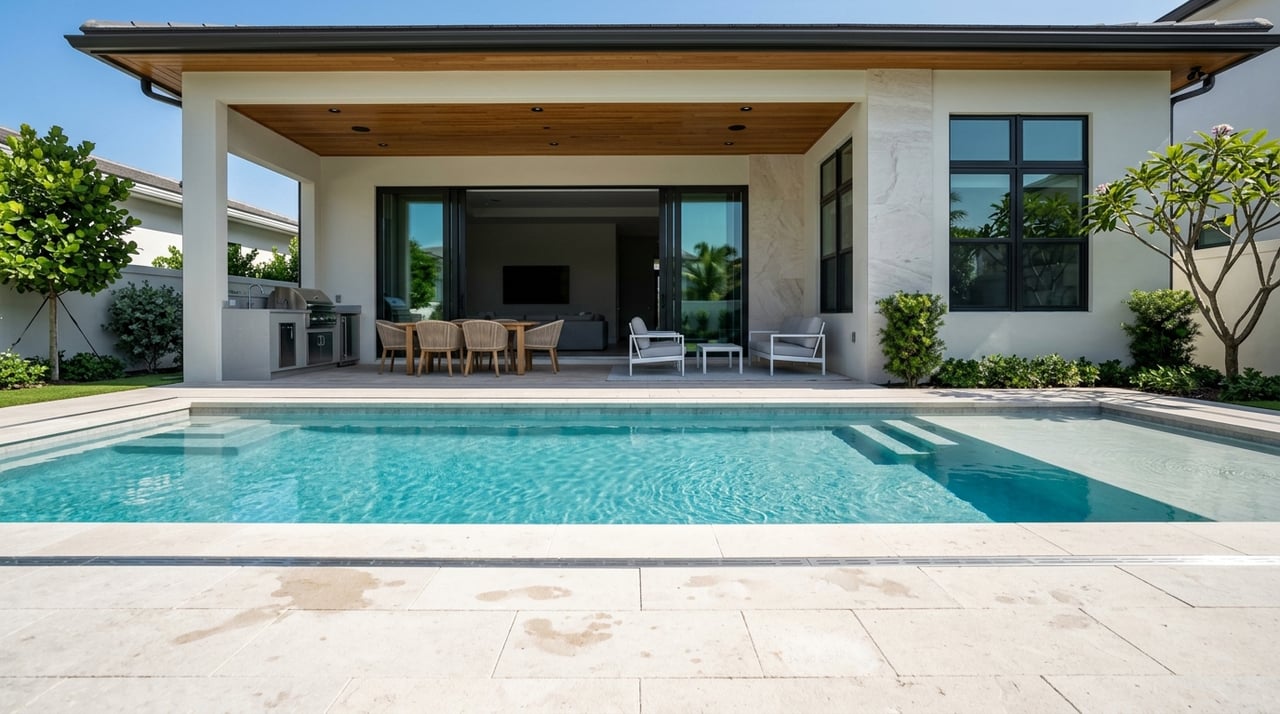
“Gulf access” refers to a navigable water route to the Gulf, typically via a canal or the Intracoastal Waterway. It does not mean beachfront. You may see “direct Gulf access” used to suggest a short, unobstructed canal run, but the term is not standardized. If boating is your priority, this can be a great fit with less direct storm wave exposure than beachfront.
Words on a listing are a starting point. The proof lives in surveys, maps, and records.
Coastal placement comes with extra oversight and exposure. Knowing these can save you money and headaches later.
Florida’s DEP regulates construction seaward of the CCCL. If your property is seaward or partially seaward of the line, expect stricter permitting, limits on expansions, and special engineering requirements. Sarasota County also enforces setbacks, seawall rules, and dune protection, so factor permit timelines into your plan.
Many direct Gulf front parcels fall within high‑risk FEMA zones such as VE. That can raise flood insurance costs and require V‑zone construction standards for new work or substantial improvements. Verify the site’s BFE, the structure’s elevation, and any required freeboard before budgeting for renovations.
Property rights along the shore depend on the mean high water line and any recorded easements. A beach access, county right‑of‑way, or historic public use area between the home and water can affect privacy and use. Review title, survey notes, and plat references to accretion, erosion, or avulsion so you understand how shoreline changes may impact ownership over time.
Direct Gulf front is special, and the market prices it accordingly. Weigh what you gain against what you take on.
True beachfront placements usually command premium pricing compared with Gulf view or Gulf access alternatives. Liquidity is strong, yet values can be sensitive to insurance markets, beach conditions, and broader climate risk perceptions. Upper‑floor condo units with big views often carry their own premium inside Gulf‑front buildings.
Expect higher insurance costs for wind and flood, plus more frequent maintenance for roofs, siding, and windows. Salt and sun exposure accelerate wear. If the parcel lies seaward of the CCCL or in a V‑zone, permitting complexity can add time and cost to projects.
If you want the beach at your doorstep, clear views, or a boat‑friendly canal, the right placement in Nokomis makes all the difference. With a careful review of surveys, maps, and permits, you can avoid surprises and buy the lifestyle you expect. If you would like a guided comparison and document review, connect with Evan Weber for steady, local expertise.
Evan is utilizing his skills, knowledge and expertise in residential real estate to help others find their dream home on the Suncoast. Get assistance in determining current property value, crafting a competitive offer, writing and negotiating a contract, and much more. Contact him today.