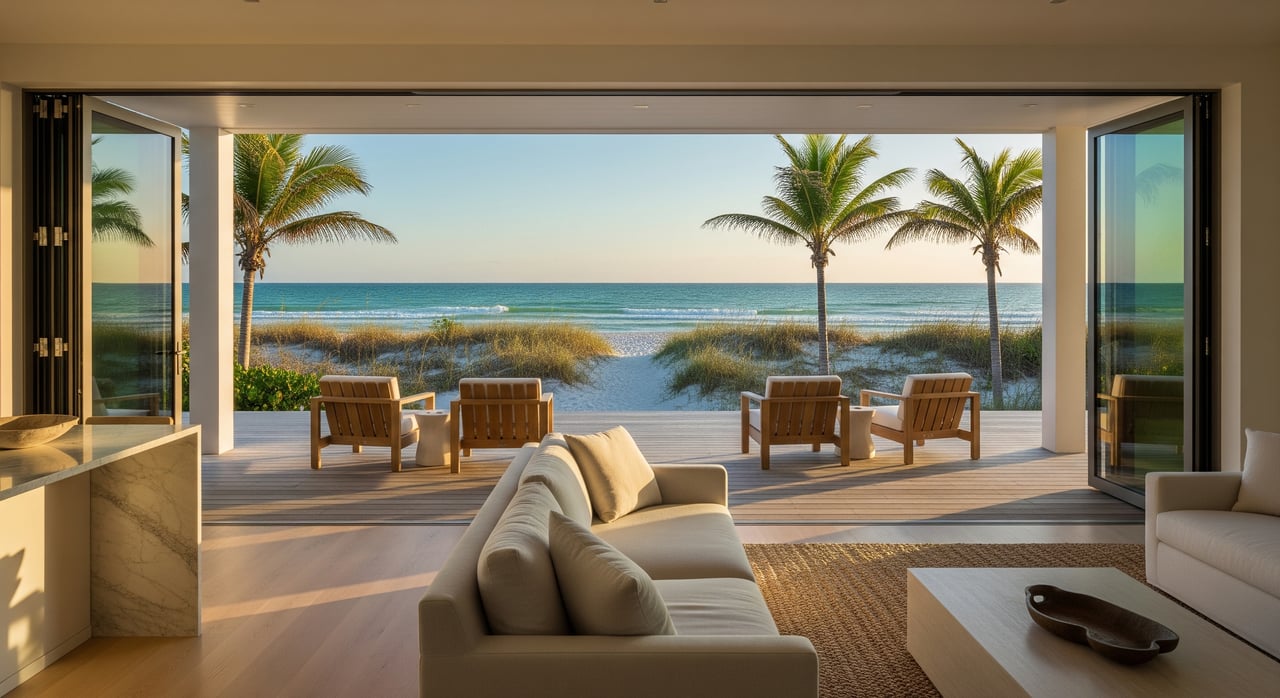
Living on Siesta Key Year‑Round: What You Should Know
February 5, 2026
February 5, 2026
What does everyday life on a barrier island really feel like? If you picture morning walks on powdery white sand, evening sunsets, and a laid‑back pace, you’re on the right track. Year‑round living on Siesta Key adds layers you want to understand first, from seasonal crowd patterns to insurance and commuting. This guide breaks down the rhythms, logistics, costs, and tradeoffs so you can decide if full‑time island life fits your goals. Let’s dive in.
Siesta Key is a barrier island in Sarasota County, connected to the mainland by bridges. It is unincorporated and governed by Sarasota County. The island blends residential neighborhoods, Siesta Village, and public beaches like Siesta Public Beach. With one primary route in and out, traffic can back up during peak times and evacuations.
You’ll find a mix of full‑time residents and seasonal snowbirds, especially in winter. Housing includes beachfront condos, inland single‑family homes, and small multifamily properties. Short‑term rentals are common in peak season, which adds vibrancy and can affect parking and noise depending on location. Off‑season, the island runs at a more relaxed pace.
You’ll lean on mainland Sarasota for major shopping, hospitals, and specialized services. Many cultural amenities, theaters, and museums are in Sarasota and are easy to reach when traffic is light. For daily convenience, Siesta Village covers essentials, dining, and small shops. Most residents combine on‑island errands with weekly mainland runs.
November through March brings mild, sunny weather and the biggest influx of seasonal residents. Expect heavier traffic on bridges, early‑filling beach lots, and busy restaurants. Short‑term rental demand peaks, and businesses often extend hours. Community events and live music are frequent and well attended.
April and May are pleasant with fewer crowds than winter. It’s a great time for outdoor activities and on‑island dining without long waits. Rental rates typically ease from winter highs. Some seasonal businesses begin to shift hours as summer approaches.
June through August is hot and humid with frequent afternoon thunderstorms. Beach crowds thin on most days, though holidays still draw visitors. Air‑conditioning costs rise, and a few seasonal shops reduce hours. Locals tend to plan midday indoor time and head to the beach in the evening.
Hurricane season runs June through November, with higher risk in late summer and early fall. Many properties sit in FEMA flood zones and follow county evacuation protocols. Lenders often require flood insurance, and storm‑hardening features can influence homeowners insurance costs. Power outages and temporary road closures can occur after major storms, so an emergency kit, shutters, and a plan are important.
Road access relies on bridges, which can become chokepoints during winter peaks and storm events. Sarasota County Area Transit serves parts of the island, and rideshare is available but can surge in price during high demand. Siesta Village parking is limited, and public beach lots fill early in season. Many residents schedule mainland appointments outside peak hours to avoid delays.
Electricity is provided by a regional utility, and summer bills typically rise due to AC use. Water and sewer are handled by Sarasota County or local providers, with lift stations and stormwater systems playing a big role on a barrier island. Cable and DSL internet are widely available; fiber varies by micro‑area. Mobile coverage is generally strong but can be spotty near some beachfront locations.
You’ll use mainland hospitals for ER and specialty care, with Sarasota Memorial Health Care System among the key facilities. On‑island urgent care options exist but are more limited than the mainland. Consider ambulance routing and nearest ER when choosing a home. During severe weather, emergency access depends on bridge conditions.
Siesta Key falls within the Sarasota County School District. School assignments depend on district boundaries, so verify the address before you buy. Childcare options on the island are limited compared to the mainland. Many families commute for broader choices.
Siesta Village offers restaurants, cafes, and small shops for daily needs. For big‑box retail, extensive medical specialists, and specialty services, you’ll drive to mainland Sarasota. You can do quick grocery runs on the island and larger stock‑ups off‑island. Service availability and hours are strongest in winter and taper slightly in summer.
The beaches are the star: Siesta Public Beach, Crescent Beach, and Turtle Beach each have a distinct feel. You can enjoy boating, fishing, kayaking, paddleboarding, and snorkeling around Point of Rocks. Community events, live music, and markets are common in season. Check local beach and water advisories in summer before you plan full beach days.
Inventory spans gulf‑front condos, gulf‑view units, inland single‑family homes, and some townhomes or duplexes. Limited shoreline supply and beach proximity drive premiums over inland Sarasota. Listings may ebb and flow seasonally, with activity influenced by weather events and off‑season timing. If you value walkability to the beach, expect to pay more for the privilege.
Short‑term rentals are a major part of the local housing mix and draw strong winter demand. Sarasota County regulates permitting, occupancy, taxes, and enforcement in unincorporated areas like Siesta Key. Rules can change, and HOA or condo documents may be more restrictive than county code. If rental income matters, verify current rules and eligibility before you write an offer.
Florida has no state personal income tax, which appeals to many buyers. Property taxes are assessed by Sarasota County and vary by value and property type. Homeowners insurance can be higher on the coast, especially for older structures or those without storm‑hardening upgrades. Flood insurance is commonly required by lenders in FEMA flood zones, and costs vary by elevation and building features.
Beachfront condos often carry higher monthly fees to cover building insurance, reserves, exterior maintenance, and shared utilities. Communities with pools, elevators, or security typically charge more. Review reserve funding and any planned projects when budgeting. Special assessments can occur, especially after major storms or code updates.
Florida Building Code requires wind and flood‑resistant standards for new builds and major renovations. Barrier island projects may need higher elevations and additional structural measures. Coastal setbacks, dune protection, and beach nourishment work can affect what and where you build. Always align plans with county permitting and community covenants.
Barrier islands face sea‑level rise, coastal erosion, storm surge, and nuisance flooding. Sarasota County plans beach nourishment and dune restoration at intervals. These projects can influence access and, at times, local assessments. When you evaluate a property, look at historical flood data, elevation, and long‑term maintenance implications.
Ready to explore homes, neighborhoods, and the on‑the‑ground details that matter to you? Connect with a local advisor who knows the seasonal rhythms and can help you weigh lifestyle, rental potential, and long‑term costs. Reach out to Evan Weber to plan your move with clarity and confidence.
Evan is utilizing his skills, knowledge and expertise in residential real estate to help others find their dream home on the Suncoast. Get assistance in determining current property value, crafting a competitive offer, writing and negotiating a contract, and much more. Contact him today.